
Ever noticed how builders get a bit picky about materials… especially for foundations?
We might think… it is just sand, right? Scoop it, spread it, done. But once we actually see how a building comes together, we start to get it. The base matters… a lot more than we expect.
And that is where concrete sand quietly does its job.
Let us talk about why it is such a favorite on construction sites… in a real, no-fuss way.
It Builds a Solid Base (and does not mess around)
When we are talking about foundations, there is no room for weak spots.
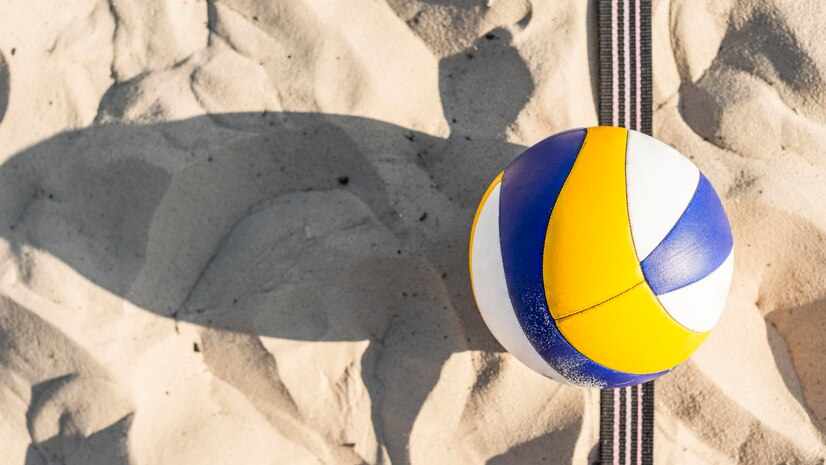
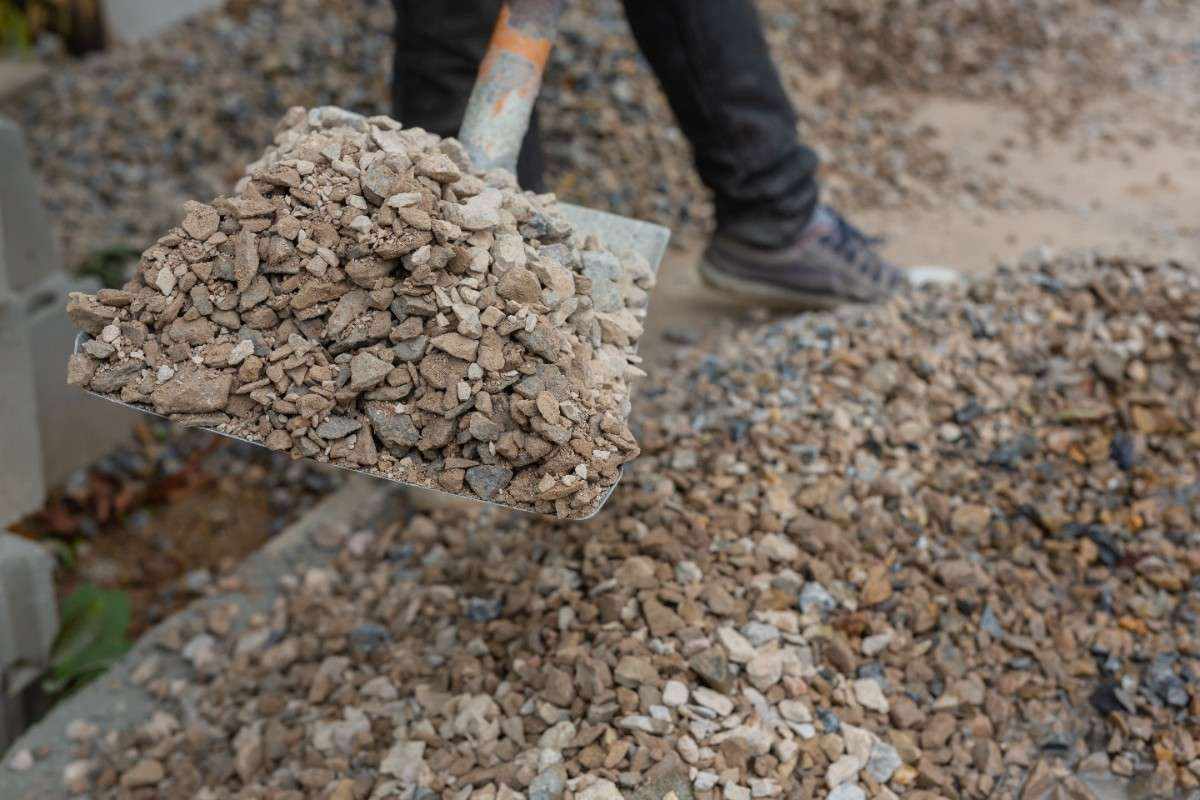
Concrete sand has this rough, slightly gritty texture. Not soft like beach sand… more like tiny crushed pieces that have edges. When we spread it and compact it, those particles kind of grab onto each other.
They do not slide around much.
So what do we get? A firm layer that feels steady under pressure. That is exactly what builders want before pouring concrete or setting anything heavy on top.
Because let us be real… once the building is up, nobody wants the ground underneath shifting.
It Handles Water Better Than We Think
Water can be sneaky.
It seeps in, sits under the foundation, and slowly starts causing problems. Not immediately… but over time. And that is where the right sand makes a difference.
Concrete sand does not trap water. It lets it pass through.
So instead of moisture sitting there and making things soft or unstable, it moves along. That keeps the base drier and more reliable.
We might not see it happening… but it is doing a lot of work behind the scenes.
Easy to Compact… and that saves headaches
Here is something builders care about more than we think… how easy a material is to work with.
Concrete sand compacts nicely. When machines press it down, it settles evenly and forms a tight layer. No weird dips, no uneven patches.
And honestly… that makes life easier on site.
Less time fixing mistakes. Less chance of problems later. Everyone wins.
It Makes Concrete Work Better Too
This part is kind of interesting.
Concrete is not just cement and water. Sand plays a big role in how everything binds together. It fills the small gaps between bigger stones.
Concrete sand is usually clean… no extra dirt, no unwanted stuff mixed in.
That helps everything stick together properly.
So in a way… it is not just supporting the foundation from below. It is also helping the concrete itself become stronger.
Pretty neat for something that looks so simple.
It Is Easy to Find (and does not break the budget)
Let us not ignore the practical side.
Builders need materials that are available without too much hassle. Concrete sand is easy to get in most places, and it is consistent in quality.
That means fewer surprises.
And cost-wise… it stays reasonable compared to some other options. For large projects, that matters a lot.
Because when we multiply small costs across a big site… things add up quickly.
It Helps Avoid Future Problems (the kind nobody wants)
Foundation issues are the worst.
Cracks, uneven floors, doors that do not close properly… all of that can start from a weak base.
Concrete sand helps reduce those risks. It stays firm, drains well, and supports weight without shifting too much.
So while it might not look like much at first glance… it plays a big role in keeping everything above it stable for years.
Kind of like a quiet worker that does not get much credit.
FAQs
1. What is concrete sand made from?
It usually comes from crushed rocks like granite or limestone. After crushing, it is cleaned to remove dust and unwanted materials.
2. Why is concrete sand better than regular sand for foundations?
Regular sand can be too fine or contain impurities. Concrete sand has a rough texture that compacts better and provides stronger support.
3. Does concrete sand help with drainage?
Yes, it does. It allows water to pass through instead of holding it underneath the foundation.
4. Can concrete sand be used for other projects?
Definitely. It works well for concrete mixes, paving bases, and leveling surfaces for patios or walkways.
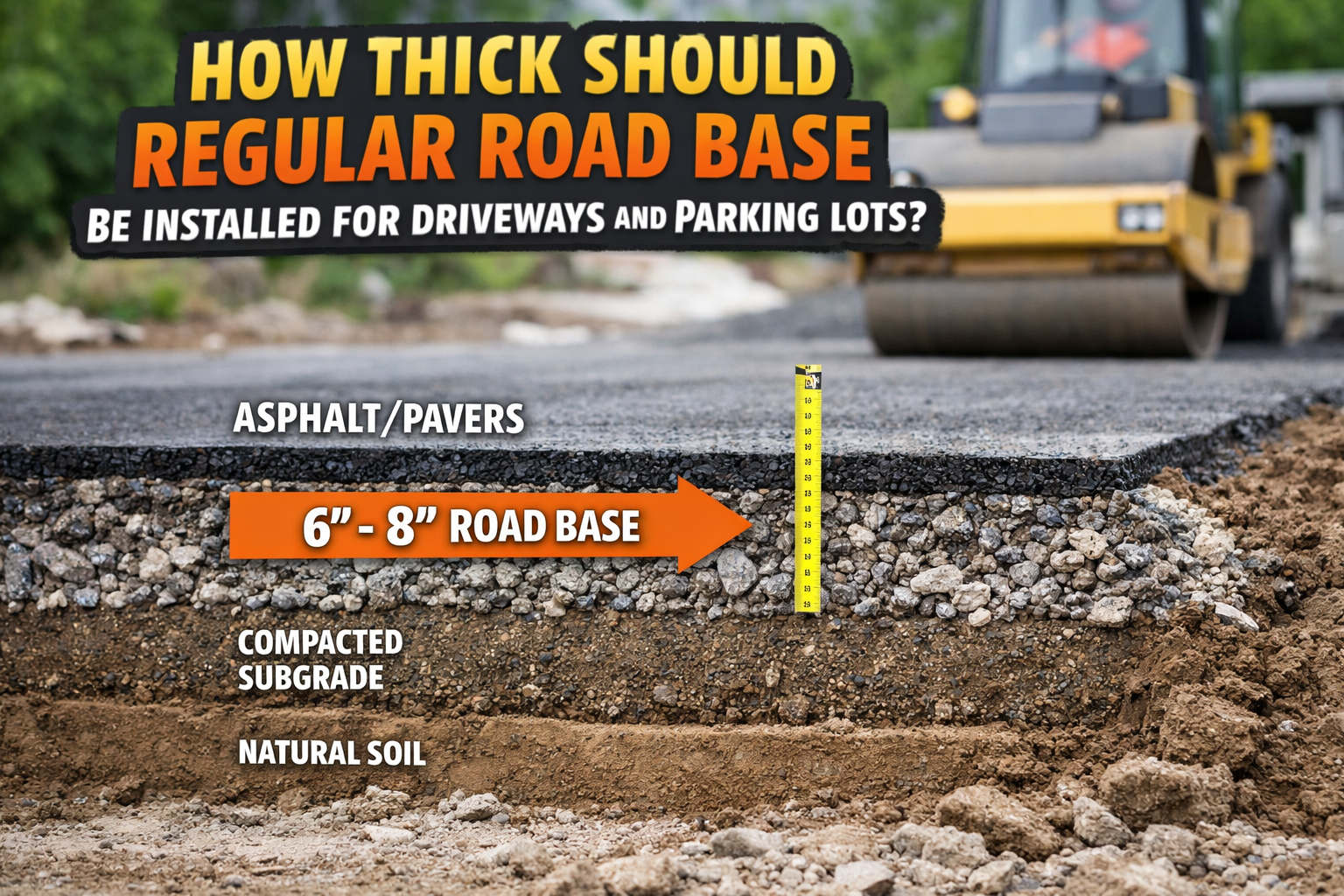
5. How thick should a concrete sand base be for foundations?
It depends on the project, but many builders go with around 2 to 6 inches. Proper compaction matters more than exact thickness.
If we step back and think about it… builders are not choosing concrete sand by accident.
It is simple, reliable, and it does exactly what it needs to do.
And when it comes to foundations… that is really all we want.


Write a comment ...